Government approaches to medical cannabis policy have taken on many forms over the years, and public policy observers and cannabis advocates have long debated which components of various jurisdictions are better compared to others.
Having served as a cannabis policy modernization advocate in both the United States and Europe over the years, one component that I often offer up to my U.S. peers as an example of Germany’s medical cannabis policy superiority is that Germany’s statutory health insurance covers cannabis. The concept of government-provided health insurance reimbursing patients for their medical cannabis purchases never ceases to amaze my U.S. friends.
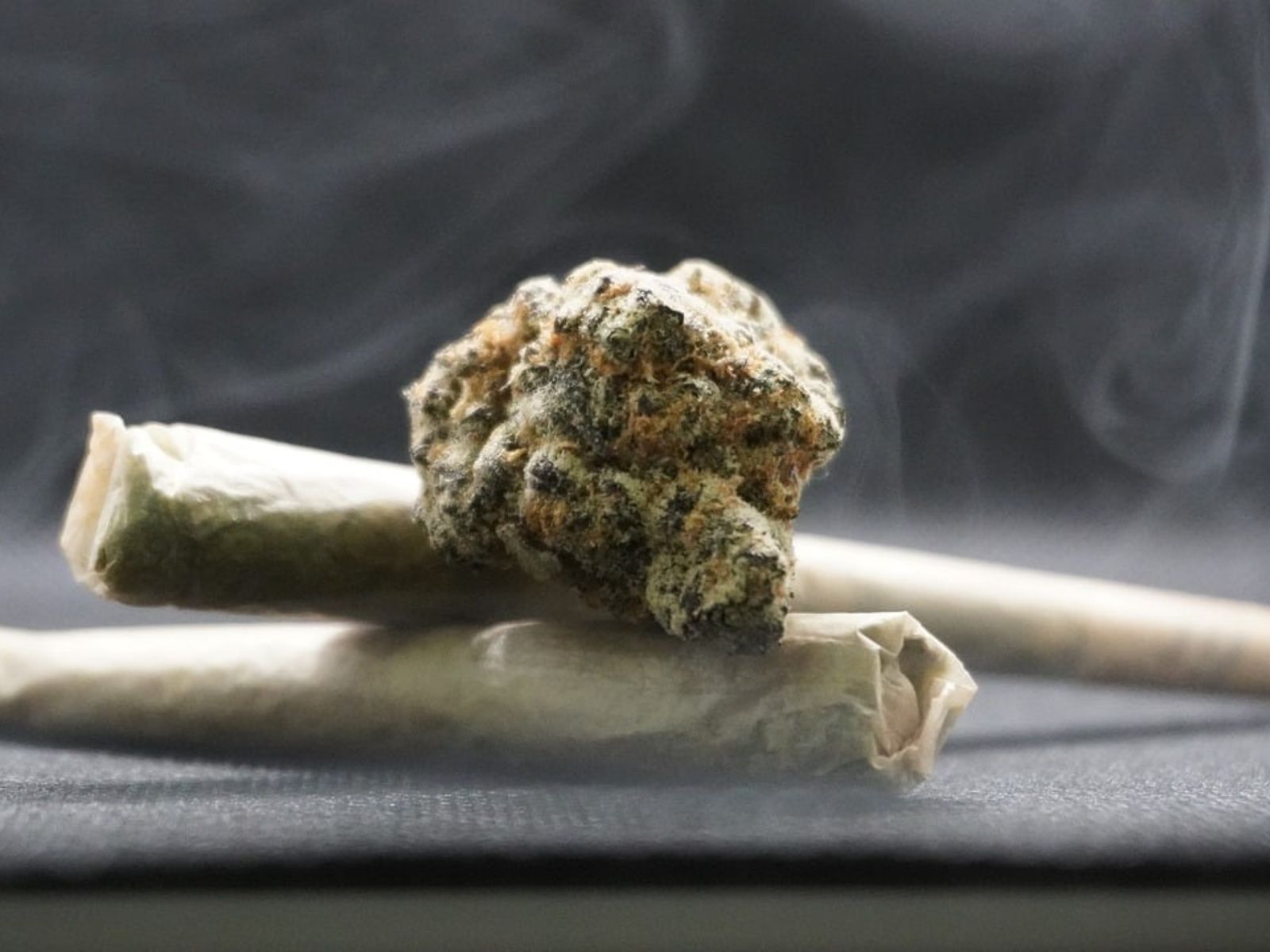
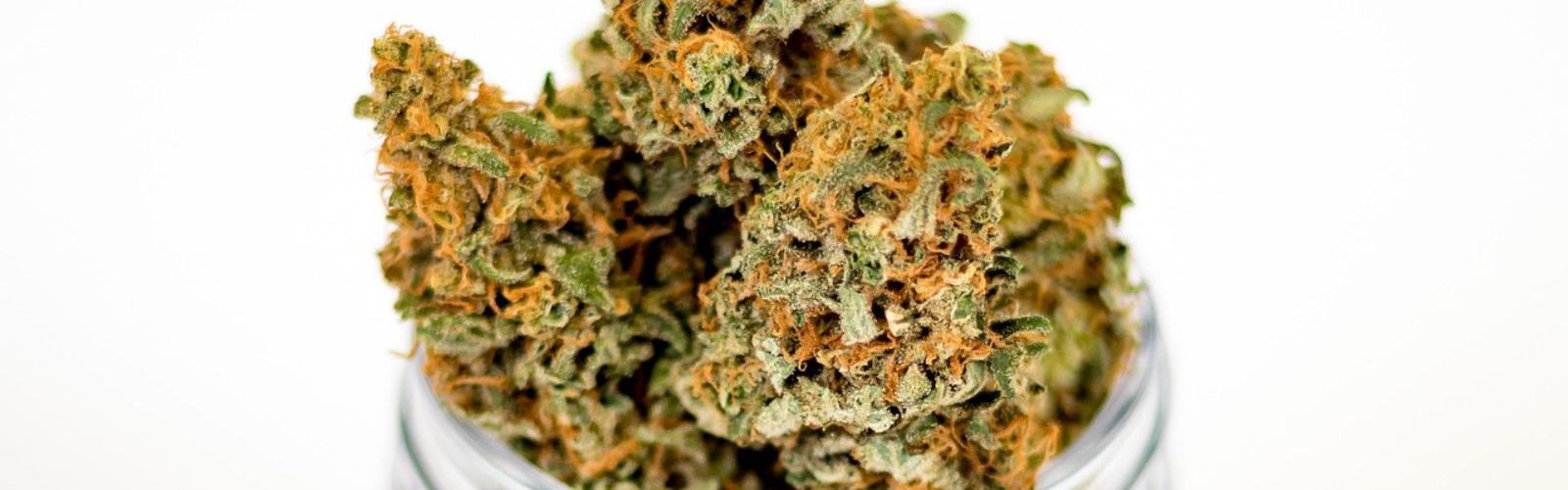
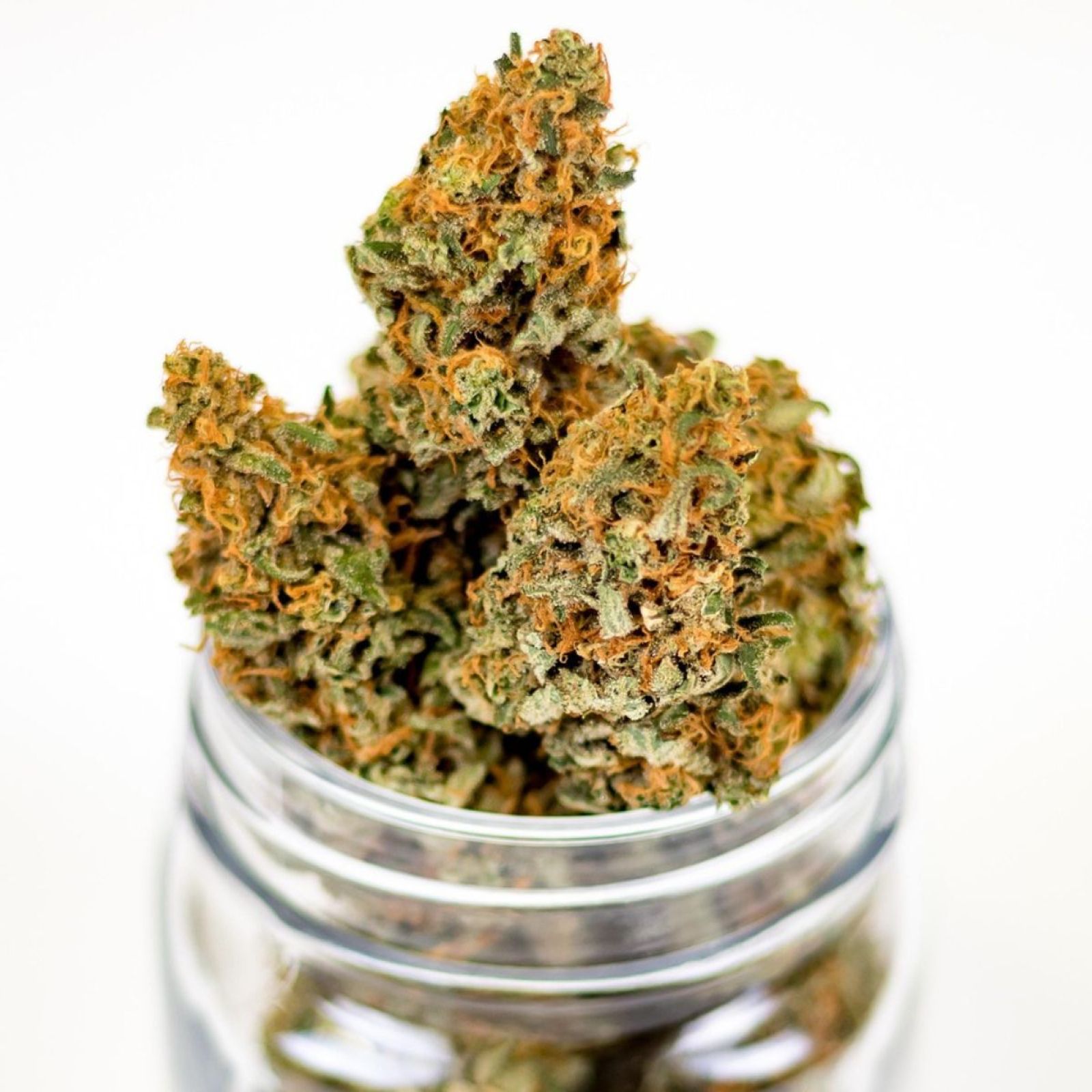
Historically, Germany’s statutory health insurance has covered medical cannabis flower purchases. Unfortunately, the draft of the Statutory Health Insurance Contribution Rate Stabilization Act calls for no longer covering cannabis flowers, and limiting Germany’s medical cannabis patients to ‘standardized quality extracts’ and medications containing dronabinol or nabilone. The proposal is generating considerable outcry from German medical cannabis advocates, and rightfully so.
“The draft law does not question the fact that cannabis has fundamental medical benefits and should be covered by statutory health insurance, so I will not elaborate on that. The only issue is which cannabis products should be reimbursed and which should not. And that also raises the question of the method of administration.” says Georg Wurth of the German Hemp Association (translated from German to English). “Inhalation must remain a method of application.”
“Orally ingested cannabis products in the form of extracts or tablets have a slow but long-lasting effect, whereas the effects of inhalation are immediate and shorter-lasting. Many patients rely on the rapid onset of action via inhalation, for example, to relieve acute pain. Therefore, when using orally ingested products, they might not only experience a less targeted response, but they would also remain under the influence of THC for longer than necessary. Until other products for inhaling cannabis are available in sufficient quantity and variety, cannabis flowers remain indispensable.” Mr. Wurth of the German Hemp Association (DHV) added.
The German Cannabis Business Association (BvCW) has also issued a statement opposing the Federal Ministry of Health’s draft bill, criticizing the planned removal of cannabis flowers from the list of covered services. BvCW argues that the proposal is neither medically nor legally sound and contradicts existing case law.
“The BvCW argues that cannabis flowers cannot be therapeutically replaced by extracts for certain patient groups, for example, in cases of acute conditions requiring rapid onset of action. A blanket exclusion could therefore jeopardize the care of seriously ill individuals and infringe upon the physician’s therapeutic autonomy.” BvCW wrote in its weekly newsletter. “Furthermore, the savings potential expected by the ministry is unrealistic. Many affected individuals would likely switch to other, also reimbursable medications or would no longer be able to afford the therapy. This could lead to a shift to the black market and cause additional consequential costs.”
“Based on the actual THC content, to which prescriptions are typically standardized, cannabis flowers are the most cost-effective cannabis medication. The same prescribed amount of THC therefore costs health insurers more in the form of extracts or pure dronabinol preparations than in the form of cannabis flowers.” DHV’s Georg Wurth points out.
“Doctors are still very reluctant to prescribe cannabis on public health insurance prescriptions, partly because they fear reimbursement claims. This is especially true for cannabis flowers. It can therefore be assumed that the vast majority of patients currently having cannabis flowers covered by their health insurance are seriously ill and have exhausted all other treatment options. They will likely accept the disadvantages of oral administration of extracts and switch to this treatment in consultation with their doctors.” Mr. Wurth continued. “The prescribed amount of THC will not decrease, meaning the therapy will become more expensive. Therefore, the stated savings for the public health insurance system are questionable. It could even be that eliminating coverage for cannabis flowers would lead to significant additional costs due to exploding prices for cannabis extracts.”
“Anyone who looks at the footnotes of the Finance Commission’s report and the referenced source will be in for a small surprise. The claim that flowers are more expensive than extracts is nonsense. The AOK report notes with an asterisk that the THC content of the flowers is not taken into account in the very calculation that the Finance Commission uses as evidence. Instead, flat monthly amounts of varying grams are used. In contrast, the AOK calculation for dronabinol and extracts incorporates precise daily amounts of THC.” acclaimed German journalist Moritz Förster recently wrote for krautinvest.
“Did the experts simply not look closely enough? Or did they simply want to find a calculation that served their political objectives?” Mr. Förster asked.
Suffering patients in Germany deserve to have public policies based on science and compassion, and not on the whims and political opinions of cannabis opponents. They deserve to have as many options as possible so that they can determine, with the guidance of their doctor(s), which cannabis therapies are the best for their situations.
Share article