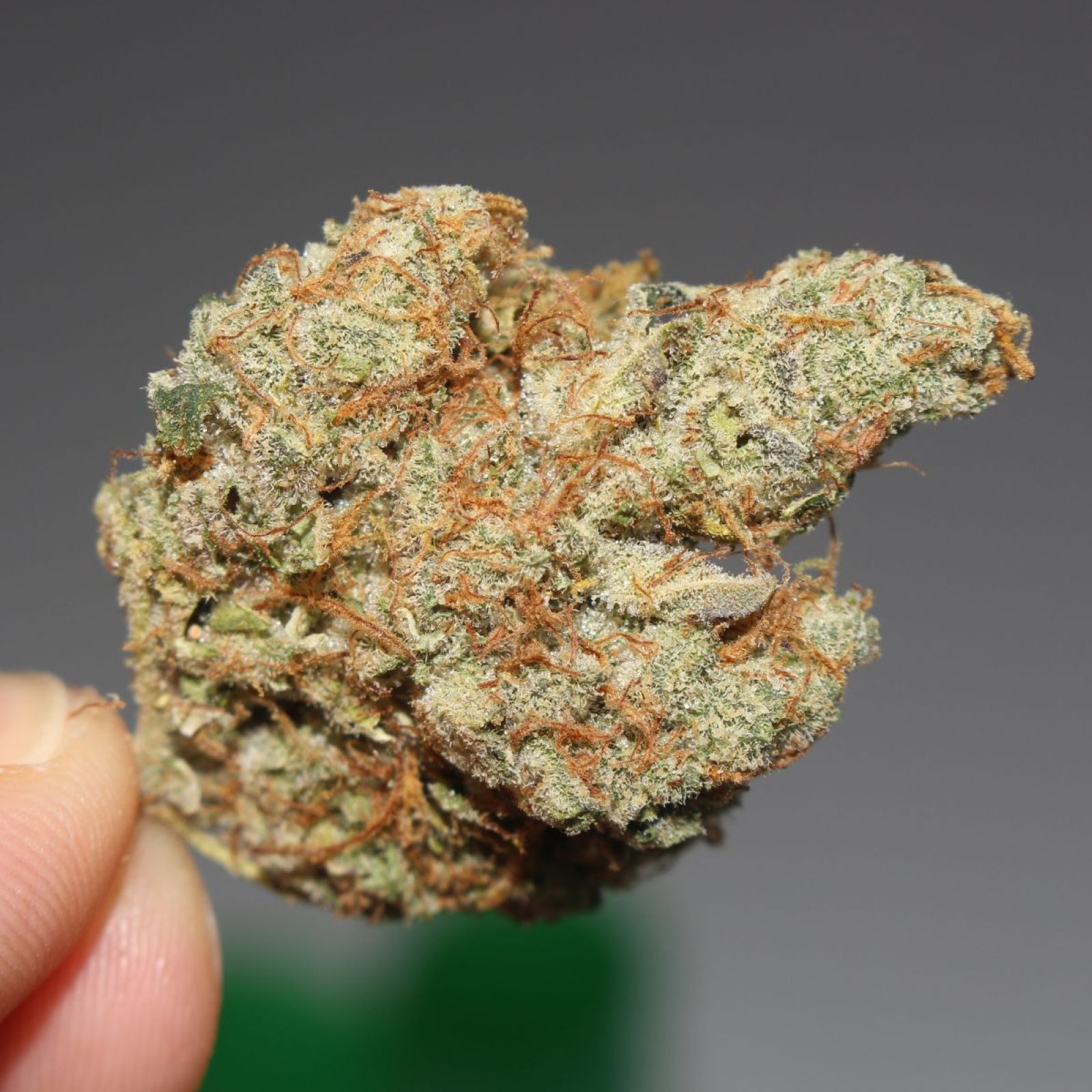
A draft law that would remove medical cannabis flowers from Germany’s statutory health insurance benefits catalog would negatively impact the nation’s multiple sclerosis patients disproportionately, according to the German Multiple Sclerosis Society.
“The German Multiple Sclerosis Society (DMSG) has submitted a comprehensive statement on the draft bill for a law to stabilize contribution rates in statutory health insurance (Statutory Health Insurance Contribution Stability Act), which was approved by the cabinet on Wednesday, April 29.” the organization writes on its website (translated from German to English). “In its statement, the DMSG strongly criticizes the planned measures and warns of serious consequences, particularly for people with multiple sclerosis and other chronic illnesses.”
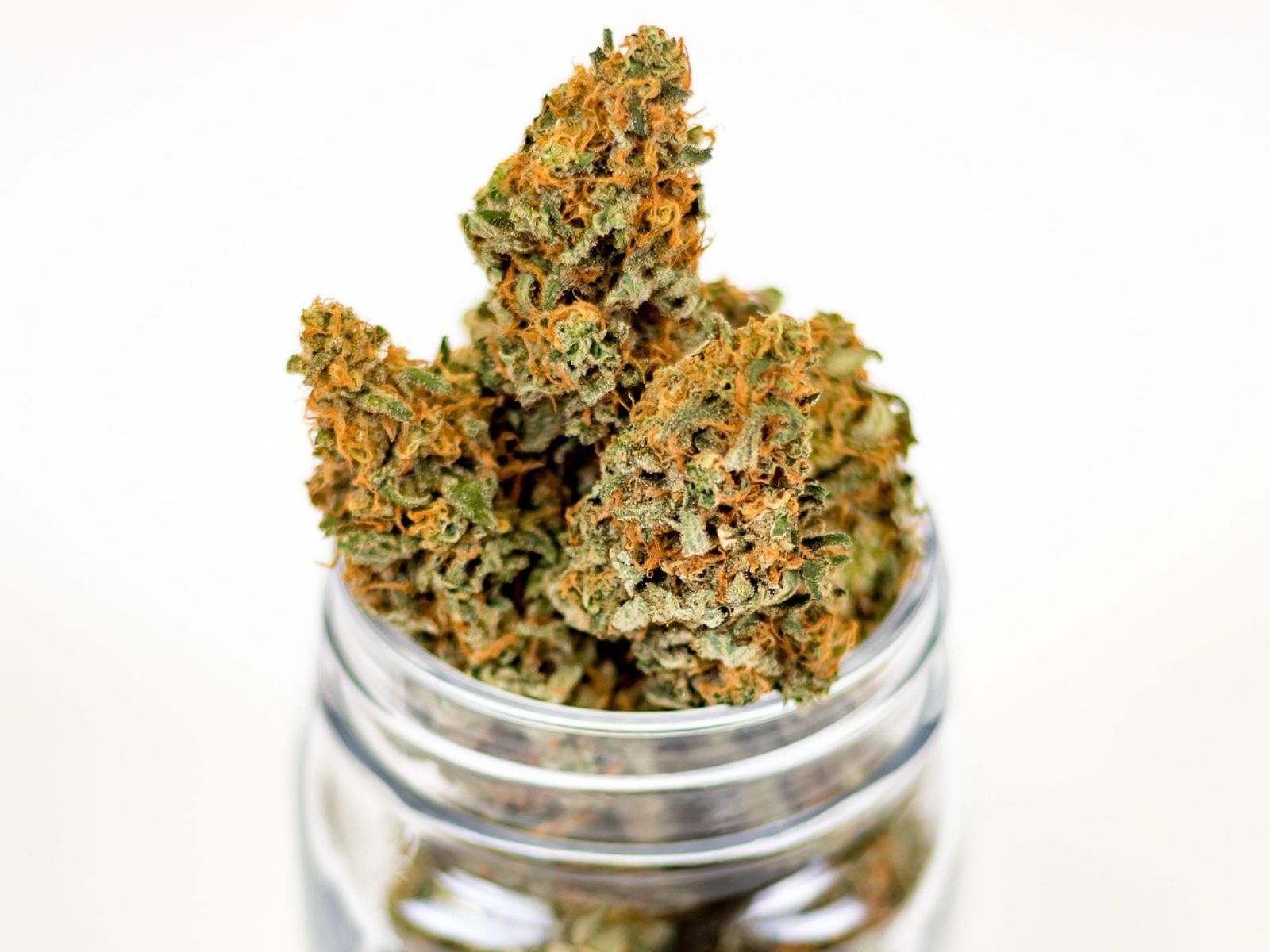
DMSG notes that, according to a previously published survey conducted by the Federal Institute for Drugs and Medical Devices (BfArM), 12.5 percent of patients treated with medical cannabis flowers in Germany suffer from multiple sclerosis.
“These patients had previously received approved cannabinoid-containing medications such as Sativex, which proved insufficiently effective or had intolerable side effects…cannabis flowers were significantly more effective, better tolerated, and resulted in a higher quality of life.” the organization wrote. “Particularly in the treatment of sudden spasticity – a common and debilitating MS symptom – the inhaled form of administration offers considerable advantages due to its rapid onset of action.”
“The German Multiple Sclerosis Society (DMSG) demands fundamental improvements and strongly appeals to the legislature to revise the draft bill and not pass it. Chronically ill people – and especially the approximately 280,000 people with multiple sclerosis in Germany – must not bear the brunt of the statutory health insurance financing. Necessary healthcare services must be maintained and further developed, not reduced.” the organization added.
Pushback by the German Multiple Sclerosis Society adds to the growing list of organizations demanding that medical cannabis flower reimbursements remain a part of Germany’s statutory health insurance benefits catalog.
“The planned new regulation, according to which only cannabis extracts, finished medicinal products, as well as dronabinol and nabilone should remain reimbursable at the expense of statutory health insurance, is assessed by the associations as risky in terms of healthcare policy, legally problematic and not sustainable from a health economics perspective.” wrote the German Cannabis Industry Association (BvCW) in a recent newsletter (translated from German to English).
“The entitlement under Section 31 Paragraph 6 of the German Social Code, Book V (SGB V) is already strictly limited. Cannabis-based medicines are prescribed exclusively for serious illnesses and only when recognized standard therapies are unavailable or ineffective or not tolerated in individual cases. The planned elimination of this provision would therefore not affect a broad group of insured individuals, but rather specifically target particularly vulnerable, chronically seriously ill, and sometimes palliative care patients.” BvCW also wrote.
“For many seriously ill patients, cannabis flowers are not a ‘lifestyle product,’ but the therapy that allows them any semblance of quality of life. Removing this option from reimbursement not only deprives those affected of a medicine, but also forces them either to discontinue therapy or to pay out of pocket – for many, simply not a realistic alternative,” emphasizes Daniela Joachim, representing cannabis patients in the German Association of Cannabis Patients (BDCan).
“For a significant portion of patients, cannabis flowers are medically irreplaceable by oral medications. Especially in cases of acute pain or spasticity, rapid onset of action is crucial. Eliminating them would worsen care – without any added medical benefit,” criticizes Dr. Franjo Grotenhermen, Chairman of the Board of the Working Group Cannabis as Medicine (ACM).
“The planned regulation assumes a therapeutic interchangeability that is neither evidence-based nor legally tenable. It contradicts the intention of Section 31 Paragraph 6 of the German Social Code, Book V (SGB V) and the rulings of the highest courts,” states Antonia Menzel, Chairwoman of the Board of the Federal Association of Pharmaceutical Cannabinoid Companies (BPC).
“The supply of medical cannabis flowers is currently handled through established, highly qualified pharmacy structures with specific quality, documentation, and consultation processes. These structures have been built up over years and ensure responsible, controlled, and professional care. Their de facto devaluation through a blanket exclusion of services is short-sighted from a health policy perspective,” explains Dr. Christiane Neubaur, Managing Director of the Association of Cannabis-Dispensing Pharmacies (VCA).
“Based on the actual THC content, to which prescriptions are typically standardized, cannabis flowers are the most cost-effective cannabis medication. The same prescribed amount of THC therefore costs health insurers more in the form of extracts or pure dronabinol preparations than in the form of cannabis flowers.” Georg Wurth of the German Hemp Association previously pointed out. “Inhalation must remain a method of application.”
Share article